
Lelia Doolan’s Guide to Creativity, Courage, and Cultural Change:
“Not only should we be supporting filmmaking, but we should also be supporting the education of filmmakers..”
In a captivating episode of ‘Garry Talks Film,’' host Garry sits down with Lelia Doolan - one of the most influential figures in Irish film, television, and theatre. Doolan’s career spans decades of pioneering work: from her early days at RTÉ, to co-founding the Galway Film Fleadh, to chairing the Irish Film Board. Her journey is not just a chronicle of personal achievement, but a masterclass in resilience, creative leadership, and the ongoing struggle to nurture authentic Irish storytelling.
This blog is a guide for anyone passionate about the arts, cultural leadership, or the evolution of Irish media. Drawing on Doolan’s experiences, we’ll break down her key lessons - each one rich with nuance, practical advice, and a call to integrity.
Embrace Unconventional Paths and Lifelong Learning
Doolan’s Early Years: Finding Her Place in a Nascent Industry
Lelia Doolan’s entry into the arts was anything but straightforward. Growing up in 1950s Ireland, she found herself drawn to theatre and creative societies at university - a path considered unconventional at the time, especially for women.
Key Takeaways:
Follow Your Curiosity: Doolan didn’t have a clear career plan. Instead, she followed her interests, joining dramatic and musical societies, and immersing herself in creative communities.
Learn by Doing: She emphasises the importance of practical learning - whether it was mastering camera placement, interviewing, or directing. Doolan’s early work at RTÉ was hands-on, requiring her to adapt quickly and learn technical skills on the job.
Seek Out New Experiences: Her willingness to cycle around Dublin, frequent unique venues like the Singing Kettle, and participate in a range of productions, highlights the value of saying ‘yes’ to new opportunities.
Actionable Advice:
Don’t wait for the perfect opportunity - get involved wherever you can: Volunteer, join societies, or take on small roles to build your skills and network.
Prioritise practical experience over theory: The best learning often happens on the job, especially in creative industries.
Stay open to unconventional paths: The arts are rarely linear; embrace the unexpected.
Champion Technical Mastery and Collaborative Ingenuity
Building Irish Television from the Ground Up
Doolan’s early career at RTÉ was marked by technical limitations and creative problem-solving. She recalls the challenges of live television, where scenes had to be performed perfectly in one take, and editing was virtually non-existent.
Key Takeaways:
Technical Skills Are Foundational: Doolan’s success was rooted in her determination to master the technical aspects of production, from camera work to directing.
Collaboration Is Key: She credits the ingenuity and dedication of technical crews - especially the often-overlooked women behind the scenes - for the success of early Irish television.
Celebrate Pioneers: Doolan highlights the contributions of women directors like Deirdre Friel, Chloe Gibson, and Sheila Richards, who paved the way for future generations.
Actionable Advice:
Invest in technical training: Whether you’re a director, producer, or actor, understanding the technical side of production will make you more effective and versatile.
Value every role on set: Great productions are built on teamwork; respect and learn from your crew.
Mentor and uplift others, especially those from underrepresented backgrounds: The industry thrives when diverse voices are empowered.
Stand Up for Integrity and Creative Independence
Navigating Institutional Pressures and Commercialisation
Doolan’s tenure at RTÉ was defined by her commitment to thoughtful, analytical programming. As commercial pressures and advertising began to shape the broadcaster’s direction, she found herself at odds with the prevailing ethos.
Key Takeaways:
Integrity Over Conformity: Doolan was unafraid to speak out - sometimes literally standing on tables to protest decisions she felt compromised the broadcaster’s mission.
Know When to Walk Away: Her decision to leave RTÉ was driven by principle, not convenience. She recognised when the environment no longer aligned with her values.
Courage Is Essential: Doolan’s quiet nature belied a fierce determination to defend what mattered most.
Actionable Advice:
Define your core values and let them guide your decisions: Don’t compromise on what matters most, even if it means taking difficult stands.
Be willing to challenge the status quo: Progress often requires dissent and disruption.
Cultivate courage: Speaking out can be daunting, but it’s essential for meaningful change.
Foster Local Talent and Build Sustainable Infrastructure
The Birth of the Irish Film Industry
Doolan’s move to Galway to produce Reefer and the Model marked a turning point - not just for her, but for Irish cinema. She and her contemporaries proved that Irish people could and should make their own films, laying the groundwork for a national industry.
Key Takeaways:
Start with What You Have: Doolan had no prior producing experience, but she learned from her crew and made it work.
Support Indigenous Storytelling: She and her peers championed uniquely Irish narratives, resisting the pull of imported productions and crews.
Build Institutions, Not Just Projects: Doolan was instrumental in establishing the Irish Film Board and Ardmore Studios, recognising the need for sustainable infrastructure.
Actionable Advice:
Prioritise local talent and stories: Authenticity is a powerful differentiator in a globalised industry.
Invest in training and education: Doolan commissioned studies to identify technical training needs, a practice still relevant today.
Create fair and transparent governance: Her rule that board members couldn’t pitch their own projects ensured integrity and trust.
Balance Artistic Vision with Industry Realities
Navigating Commercial and Creative Tensions
Doolan witnessed - and shaped - the evolution of Irish film from a cottage industry to an international player. She acknowledges the benefits of increased funding and co-productions, but warns against losing sight of indigenous, imaginative storytelling.
Key Takeaways:
Beware of Hollywoodification: While international success is valuable, Doolan cautions against prioritising box office returns over cultural authenticity.
Support Both Art and Industry: She distinguishes between the “industrial wing” (big-budget, commercial films) and the “arthouse pioneers” (independent, experimental filmmakers), advocating for a healthy balance.
Streamline Support: Doolan’s work to unify state and semi-state bodies into a coordinated group (Stratcom) is a model for effective resource allocation.
Actionable Advice:
Champion diverse forms of storytelling: Don’t let commercial pressures crowd out experimental or local voices.
Advocate for fair funding models: Ensure that resources are accessible to both established and emerging creators.
Stay vigilant about industry practices: Doolan’s anecdotes about restrictive union practices highlight the need for ongoing reform.
Nurture Community and Grassroots Initiatives
The Galway Film Fleadh: A Case Study in Collective Action
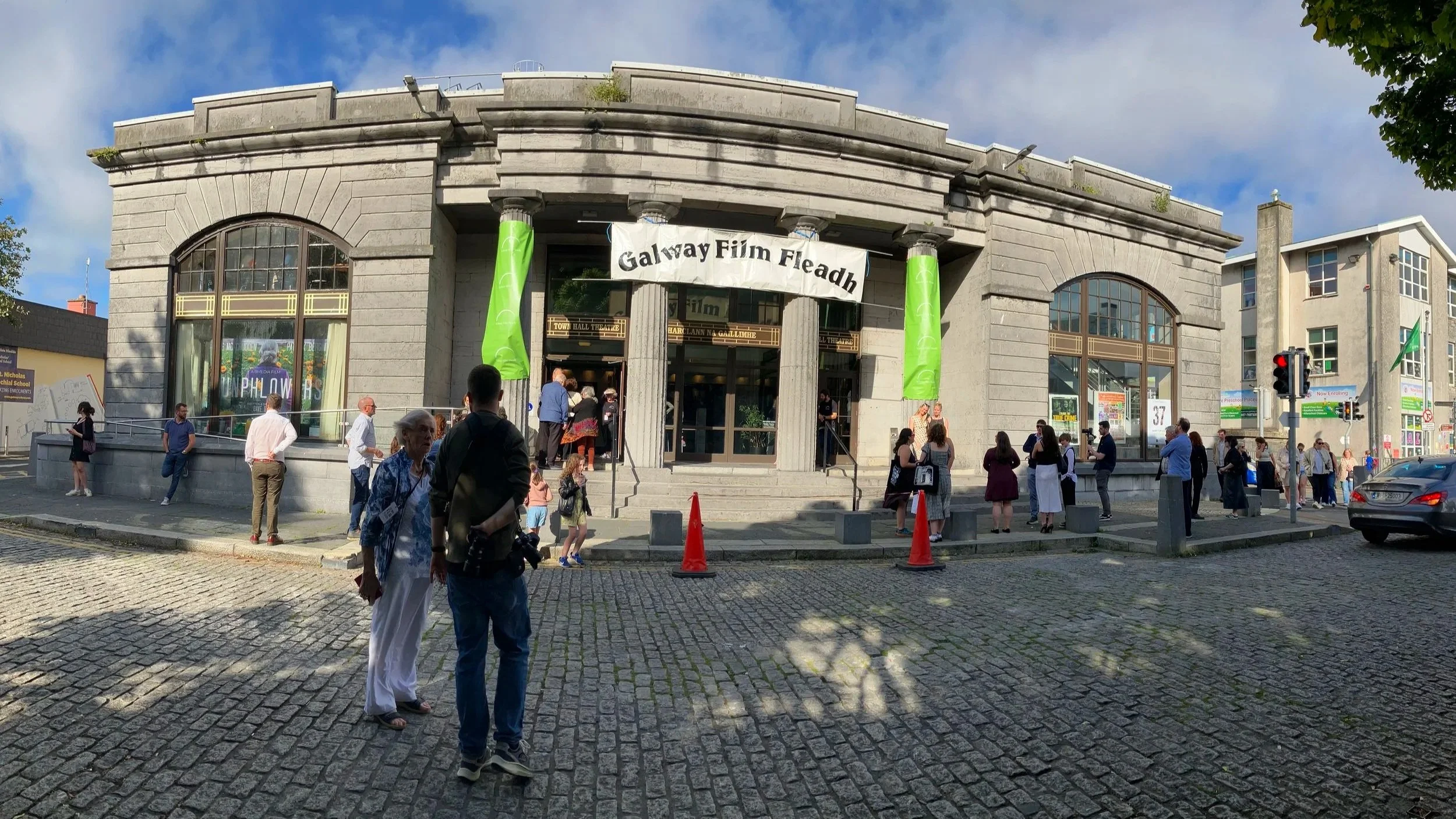
The Galway Film Fleadh, co-founded by Doolan, began as a modest, volunteer-driven festival. Its success was built on community support, resourcefulness, and a shared vision.
Key Takeaways:
Start Small, Think Big: The festival’s early days were marked by limited resources but boundless enthusiasm.
Leverage Local Support: Doolan credits local figures and volunteers for making the festival possible, from providing venues to covering unexpected costs.
Celebrate Collaboration: The Fleadh’s success was a collective achievement, not the work of any one individual.
Actionable Advice:
Don’t be deterred by lack of funding: Creativity and community can overcome many obstacles.
Build strong local partnerships: Engage with universities, societies, and local businesses.
Recognise and reward volunteer contributions: Grassroots initiatives thrive on goodwill and shared purpose.
Champion Political and Social Engagement in the Arts
Art as Activism and Social Commentary
Doolan’s activism - whether opposing the use of Shannon Airport for military flights or supporting politically engaged filmmakers - reflects her belief in the arts as a force for social change.
Key Takeaways:
Art Should Challenge and Provoke: Doolan values work that is thoughtful, analytical, and unafraid to tackle difficult issues.
Support Freedom of Expression: She hopes that filmmakers with political ideas will be supported, even in a more commercially driven industry.
Maintain Intellectual Rigor: Doolan warns against the “intellectual thinning” of culture, urging creators to strive for depth and substance.
Actionable Advice:
Use your platform to address social issues: The arts have a unique power to inspire empathy and change.
Defend creative freedom: Advocate for policies and funding that protect diverse voices.
Prioritise depth over trendiness: Substance and imagination are the hallmarks of lasting work.
Sustain Creativity Through Enjoyment and Resilience
A Life Well-Lived: Doolan’s Final Reflections
At over 90, Doolan continues to radiate the same passion and curiosity that fueled her earliest days in the arts. Her reflections are a testament to the sustaining power of joy, humor, and resilience in creative life.
Key Takeaways:
Find Joy in the Work: Doolan emphasizes that, despite the challenges, the process of making art - collaborating, experimenting, and even failing - should be enjoyable. Laughter and camaraderie are as important as ambition.
Embrace Setbacks as Part of the Journey: She acknowledges that disappointment and frustration are inevitable, but insists that perseverance and adaptability are what allow artists and leaders to endure.
Stay Curious and Engaged: Doolan’s ongoing involvement in cultural and political causes demonstrates that creativity doesn’t have an expiration date. Lifelong engagement keeps the mind and spirit vibrant.
Actionable Advice:
Celebrate small victories and milestones: Take time to appreciate the process, not just the outcomes.
Cultivate resilience: When setbacks occur, use them as learning opportunities rather than reasons to give up.
Keep learning and participating, no matter your age or stage: The arts are a lifelong pursuit, open to all who remain curious.
Conclusion: Carrying the Torch Forward
Lelia Doolan’s legacy is not just in the institutions she helped build or the productions she brought to life, but in the spirit of integrity, courage, and creativity she inspires in others. Her story is a reminder that cultural change is possible when individuals commit to their values, support their communities, and never stop learning.
For artists, leaders, and anyone passionate about storytelling, Doolan’s journey offers a roadmap: embrace the unconventional, master your craft, stand up for what matters, and always make room for joy. The Irish film and theatre landscape is richer for her contributions - and her lessons will continue to guide new generations of trailblazers.
As you pursue your own creative path, remember Doolan’s example: nurture your curiosity, champion your community, and never underestimate the power of one determined voice to spark lasting change.
Listen to the full episode on ‘Garry Talks Film’ for more insights: ⬇️
https://podcasts.apple.com/us/podcast/175-lelia-doolan-garry-talks-film/id1504112179?i=1000747971633