
The Art and Evolution of Film Editing: with John Murphy
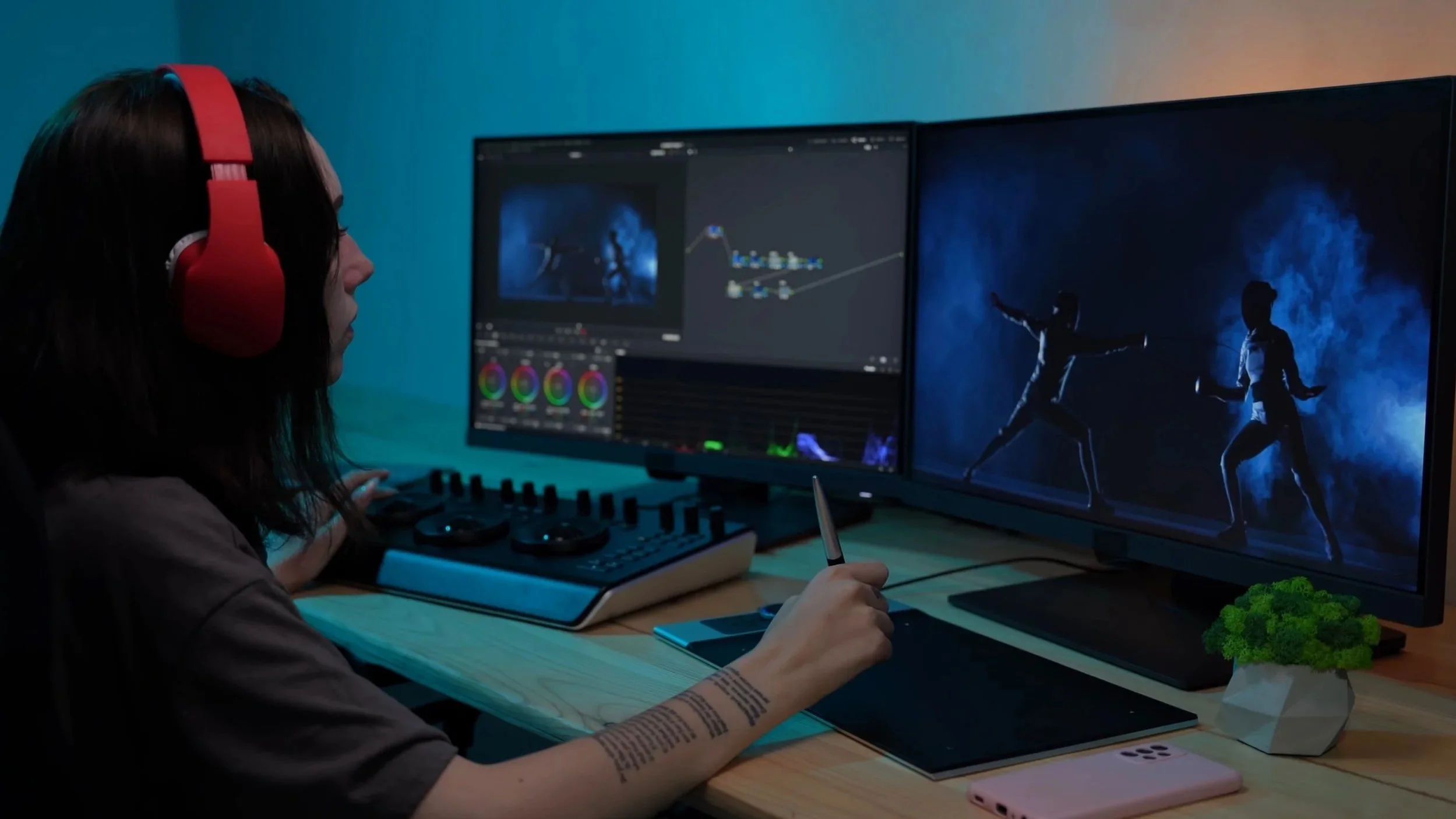
“You have to watch everything. Not because you copy, but it subconsciously sparks ideas about how you can do things differently.”
In a recent episode of ‘Garry Talks: Film’, host Garry sits down with acclaimed Irish film editor John Murphy, whose credits include Sanatorium, Saipan, and the Oscar-nominated The Quiet Girl (An Cailín Ciúin). Their conversation is a masterclass in the craft of editing, the realities of the Irish film industry, and the winding, unpredictable journey of a creative career. Whether you’re an aspiring editor, a director, or simply passionate about film, this episode is packed with nuanced insights and actionable advice.
Below, we break down the main themes and expert tips from the episode, offering a comprehensive guide for anyone interested in the art and business of film editing.
Embracing the Non-Linear Career Path
There is no straight line to success in the film industry. John and Garry reflect on their college days in Galway, noting how their peers’ careers have zigzagged in unexpected directions.
Actionable Advice:
Stay Open to Change: Your initial ambitions may evolve. John started out wanting to direct but found his calling in editing almost by accident.
Seize Unexpected Opportunities: John’s first big editing break came when a lecturer went on maternity leave, and he was asked to step in at the last minute.
Value Every Experience: Even jobs that seem tangential - like John’s stint loading tapes - can build skills and connections that pay off later.
Expert Tip:
“It’s not a straight path - it’s more like a bouncy line that zigzags all over the place, taking in all sorts of crazy experiences. People end up where they’re supposed to be.”
The Evolution of Film Editing: From Celluloid to Cloud
John’s career spans the transition from physical film editing on Steinbeck benches to today’s digital, often remote, workflows.
A. Learning the Craft on Film
Physical Editing Teaches Discipline: Cutting 16mm film is unforgiving - every edit is permanent. This instils a deep respect for planning and structure.
Understanding Film Grammar: In the 1990s, concepts like “breaking the fourth wall” had to be taught explicitly. Today’s digital natives often absorb these intuitively.
B. The Digital Revolution
Final Cut Pro and Beyond: John’s first digital edit was a leap into the unknown, but it opened up new creative possibilities.
Remote Collaboration: The COVID-19 pandemic proved that editors and directors can work together effectively from different locations, using tools like Zoom and cloud-based editing platforms.
Actionable Advice:
Master Both Old and New Tools: Understanding the fundamentals of editing - regardless of technology - makes you adaptable.
Embrace Remote Work: Build a home setup that allows for professional-grade editing and seamless communication with collaborators.
Expert Tip:
“Remote editing brought a unique kind of hyper-focus. The screen became our shared window into the project, fostering a focused and efficient process.”
Building a Career in a Small Industry
Ireland’s film industry is tight-knit, with most opportunities historically centred in Dublin. However, the landscape is changing…
A. Starting in Smaller Hubs
Less Competition, More Opportunity: John’s early years in Galway and Limerick allowed him to rack up nearly 100 hours of broadcast TV by age 30.
Seasonal Work: Be prepared for feast-or-famine cycles, especially outside major cities.
B. Moving to the Capital
Dublin as a Launchpad: For those aiming to work on feature films, moving to Dublin was once essential. Today, remote work is levelling the playing field.
C. The Impact of Remote Work
Geography Matters Less: Editors, directors, and producers can now live in more affordable areas and still collaborate on major projects.
Financial Realities: High living costs in cities like Dublin make remote work an attractive - and sometimes necessary - option.
Actionable Advice:
Be Flexible: Don’t be afraid to relocate or work remotely if it opens up better opportunities.
Network Locally and Globally: Build relationships in your immediate community, but also be ready to collaborate across borders.
The Craft of Editing Across Genres
Editing is not a one-size-fits-all discipline. Each genre - comedy, drama, horror, documentary - demands a unique approach.
A. Comedy
Timing is Everything: Comedy editing is about rhythm, pacing, and knowing when to cut for maximum impact.
Test with Audiences: Jokes can fall flat if the timing is off. Use test screenings to gauge real reactions.
B. Drama and Character-Driven Stories
Subtext Over Dialogue: In films like The Quiet Girl, editing must create space for performance and emotional nuance.
Protect the Performance: Especially with child actors, the editor’s job is to preserve authenticity and avoid breaking the audience’s immersion.
C. Horror and Thrillers
Build Anticipation: Sometimes, what you don’t show is more powerful than what you do. Use reaction shots and pacing to heighten suspense.
D. Documentary
Structure from Chaos: Documentaries often require building a narrative from hours of unscripted footage.
Editing Without Language: When working in unfamiliar languages, rely on body language and visual storytelling until translations are available.
Actionable Advice: Adapt Your Style: Study the conventions of each genre, but don’t be afraid to innovate.
Collaborate Closely: Work with directors to understand their vision and the emotional core of the story.
Expert Tip:
“Bringing a character to life involves a combination of the actor’s performance, the film’s genre, and the editor’s sense of rhythm and pacing.”
The Power of Mentorship and Community
Mentors and collaborators are crucial to growth. John credits producer/editor David Power for teaching him to never settle for “good enough.”
“I learned how to edit with David Power… he never settled for it being good enough, it always had to be great. That’s actually how you learn to be good: Never settle for ‘it’ll do’.”
Actionable Advice:
Seek Out Mentors: Learn from those with more experience, and be open to constructive criticism.
Build Your Tribe: Surround yourself with reliable, passionate collaborators. Your reputation for being “sound” (easy to work with) is as important as your technical skills.
Staying Inspired and Informed
Great editors are voracious consumers of all kinds of art - not just film.
Actionable Advice:
Watch Widely: Don’t limit yourself to blockbusters. Explore world cinema, documentaries, and classics.
Engage with Other Art Forms: Music, theatre, and literature can all inform your sense of rhythm, structure, and storytelling.
Expert Tip:
“Switching between feature documentaries and dramas helps me stay creatively fresh and informed about the market.”
Practical Workflow Tips for Editors
Organisation and adaptability are essential, especially when working on complex projects or in multiple languages.
Actionable Advice:
Visual Storyboarding: Use printed photos or digital boards to map out scenes and structure.
Iterative Editing: Be prepared to revise your roadmap as the edit evolves.
Collaborate on Translations: When editing in unfamiliar languages, work closely with translators and native speakers to ensure accuracy and emotional resonance.
Advice for Directors Working with Editors
The director-editor relationship is a two-way street built on trust, openness, and mutual respect.
Actionable Advice:
Be Prepared: Come to the edit with a clear vision, but be open to the editor’s ideas.
Give Space: Allow the editor time to experiment and find the best approach.
Communicate Openly: Share feedback honestly, but trust the editor’s expertise.
Expert Tip:
“You’ve hired the editor to be a voice in the room, so let them be that voice. Let them do their own thing sometimes. Be open to their ideas.”
Perseverance and Professionalism: The Keys to Longevity
Talent is important, but reliability, professionalism, and passion are what sustain a career.
Actionable Advice:
Show Up: Consistency and commitment matter more than sporadic brilliance.
Be Sound: Your reputation for being easy to work with will open more doors than your CV alone.
Embrace the Randomness: Luck plays a role, but you make your own luck by being present and prepared.
The Cultural Impact of Irish Cinema
Films like The Quiet Girl are not just artistic achievements - they shape national conversations about language, identity, and culture.
Actionable Advice:
Champion Local Stories: There is a growing appetite for Irish-language and culturally specific films.
Leverage Global Trends: The success of international hits like ‘Squid Game’ and ‘Parasite’ shows that audiences are more open than ever to subtitles and diverse stories.
Conclusion: The Editor’s Journey
John Murphy’s story is a testament to the power of adaptability, community, and craft. The path to success in film editing is rarely straightforward, but it is rich with opportunities for growth, learning, and creative fulfillment. As John’s journey illustrates, embracing change, nurturing relationships, and continually honing your craft are essential ingredients for a lasting and impactful career.
Final Takeaways:
Stay Curious: Never stop learning, whether it’s new software, emerging genres, or different cultural perspectives.
Value Your Network: The people you meet along the way - mentors, collaborators, and friends - are as important as the projects you work on.
Trust the Process: Every project, no matter how big or small, contributes to your growth as an editor and storyteller.
Celebrate Your Roots: Irish cinema is gaining global recognition, and editors like John Murphy are at the heart of this cultural renaissance.
As John puts it:
“Editing is about finding the heartbeat of a story and helping it reach its full potential. If you can do that - and enjoy the journey - you’re already succeeding.
**Embrace the zigzags, cherish your community, and keep telling stories that matter.**
Listen to the full episode of ‘Garry Talks Film’ for more insights from John Murphy:
https://podcasts.apple.com/us/podcast/156-john-murphy-garry-talks-film/id1504112179?i=1000734034658